AI Is Changing Recruitment, But It Won't Win You the Best Talent

AI Is Changing Recruitment, But It Won't Win You the Best Talent
There's a lot of noise around AI in recruitment at the moment. Every platform is "game changing", every tool promises to find better candidates faster, and there's a growing narrative that technology is about to take over large parts of the hiring process. Some of that is true.......but a lot of it misses the point.
From where I sit, speaking to candidates and employers every day, the real story isn't about AI replacing recruiters or removing the need for human decision making. It's about how the tools are changing the starting point of recruitment, and what that means for anyone trying to hire top talent, or position themselves as it. Because here's the reality, the competition for good people isn't going anywhere, if anything it's getting tighter.
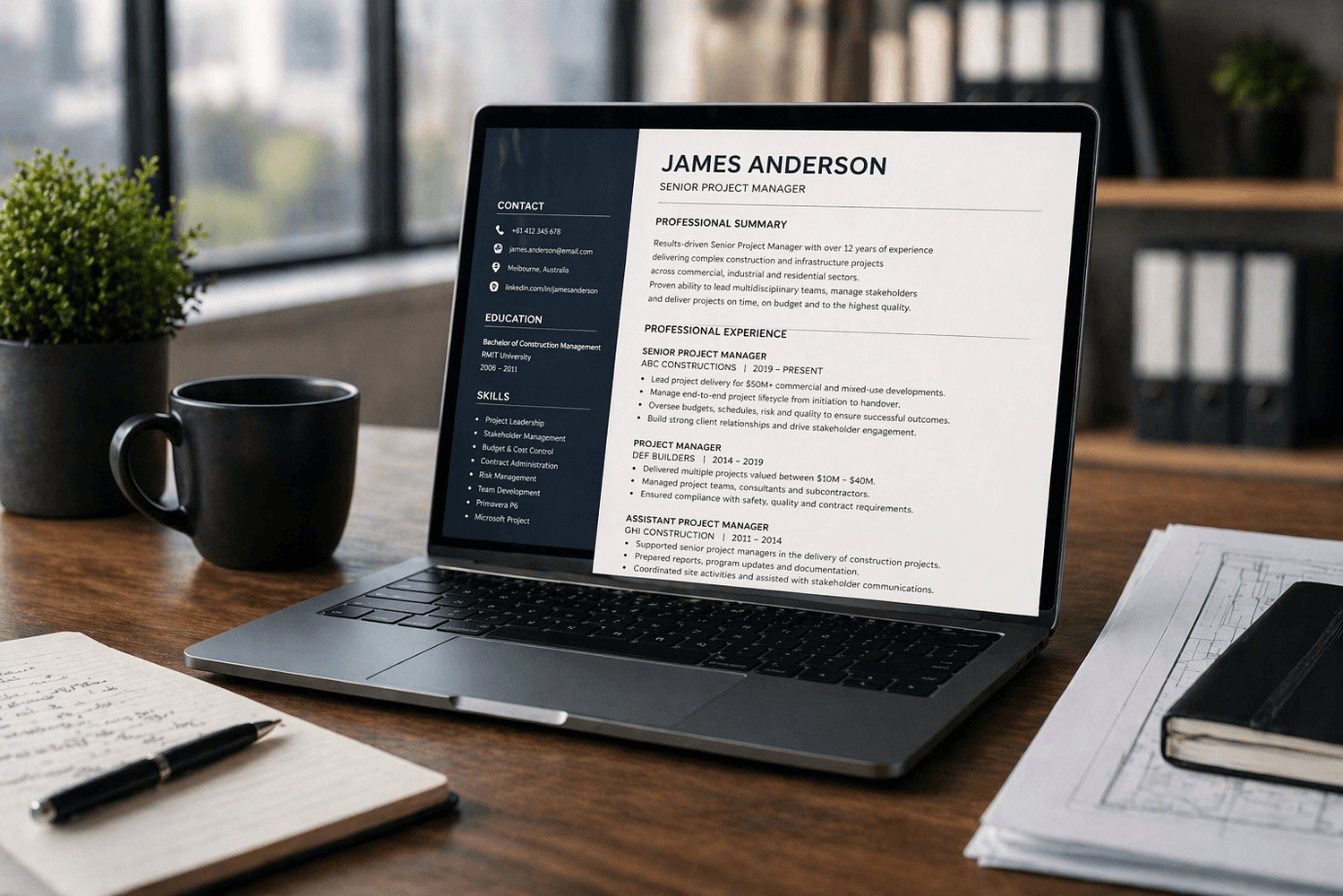
One of the biggest changes I'm seeing right now is the quality, or at least the appearance of quality, in applications. Resumes are cleaner, better structured, more aligned to job descriptions. Cover letters are sharper, more relevant, often tailored almost perfectly to the role being applied for. On paper, candidates look stronger than ever, and that's not by accident. AI is effectively lifting the bar for everyone. As John Davies from the ACA said on The Building Talks Podcast, rising tides lift all ships. From a CV optics point of view, that's exactly what's happening, the baseline standard of how candidates present themselves has improved almost overnight.
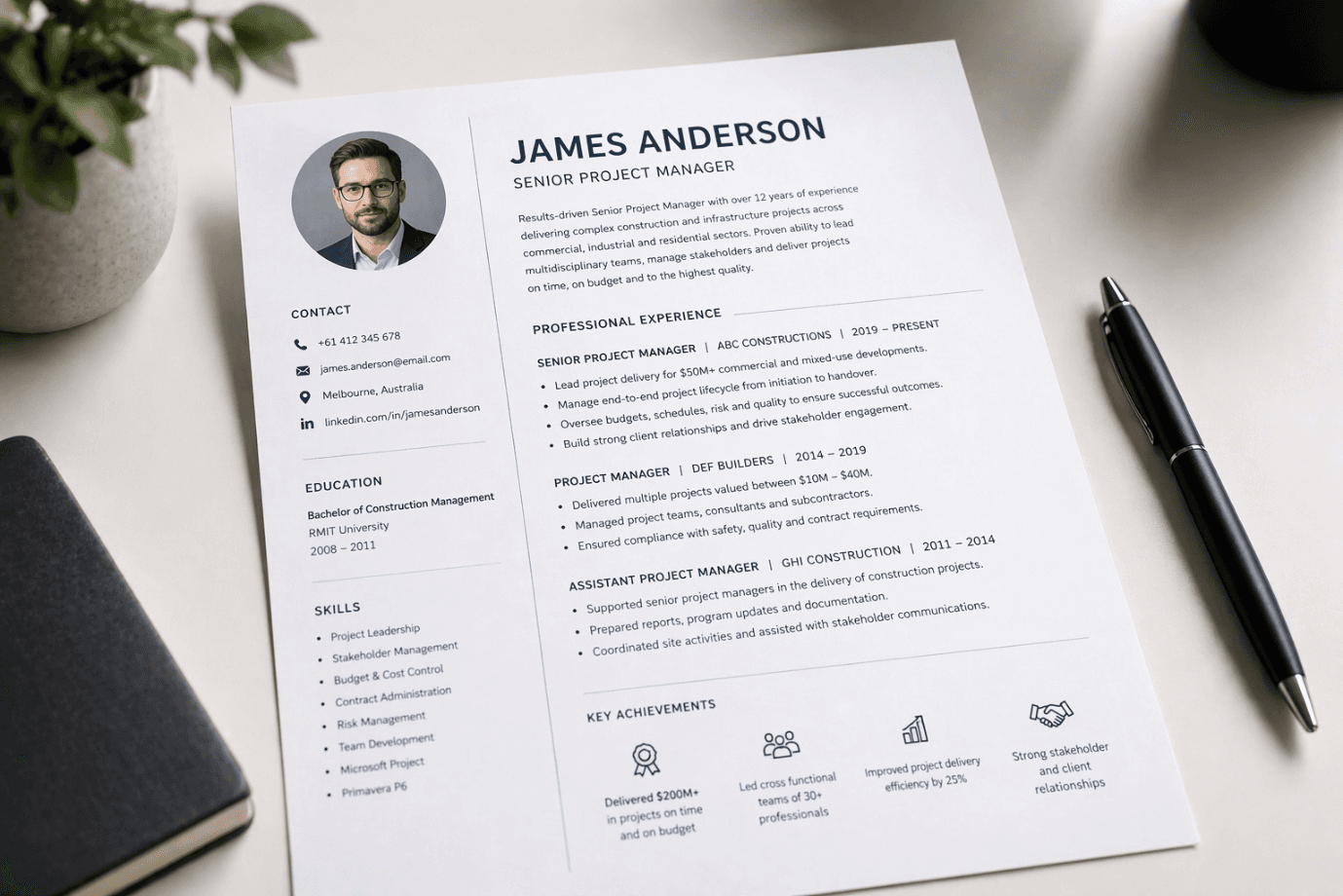
Sounds like a good thing.......and in many ways it is. But it also creates a new problem. When everyone looks good, it becomes much harder to tell who actually is good. You read a CV and think you've found exactly what you're looking for, then you speak to the candidate and things start to drift back towards the middle. The experience isn't quite as deep as suggested, the project exposure isn't quite as hands-on, and the detail needs a bit of probing to get to the truth. It's not that candidates are trying to mislead, it's that the tools allow them to present the best possible version of themselves, sometimes better than the reality. Which means the job isn't just identifying talent anymore, it's validating it.

Recruitment used to be about uncovering missing information. You'd look at a CV and think, they haven't listed this, I need to ask about it. Now it's almost the opposite. Everyone appears to have everything. So the job becomes working out what's genuine, what's been stretched slightly, and what's been generated to fit the brief. That requires questioning, conversation, and experience. It requires someone to read between the lines and join the dots. AI can help gather the data, but it doesn't replace the judgement, if anything it makes that judgement more important.
Now, I'll be honest, my partner thinks I'm overly cynical because I question pretty much everything I hear. She's probably not wrong. But when you've spent 20 years listening to every candidate explain how they're great at their job, and every employer tell you about their brilliant culture, you develop a fairly sensitive bullshit meter. It's not just useful when listening to politicians or influencers, it's pretty handy in recruitment as well.
Every candidate you present, every offer that gets knocked back, every bit of feedback you hear, it all builds a picture. Over time, you start to understand what's real and what's just being said. And that's where I think there's a real gap between what AI can do and what experienced recruiters do. AI might eventually pick up patterns in language and start flagging when something doesn't quite add up, but I'm not convinced it's going to be able to sense when something feels off, or know exactly when to ask the one question that gets to the truth.
A lot of the time, the signal isn't in what's said, it's in what isn't said. It's in the tone, the hesitation, the way an answer is structured, or what gets avoided altogether. I had a good example of this this week. I asked a candidate, "does this job and employer sound like it'll take your career where you want it to go?" The answer came back, "it sounds like it will do, I enjoyed the interview, I've heard really good things from people who know people who work there, it definitely seems to be a developer that people have done well and grown into more senior positions." On the surface, that sounds positive. An AI tool would probably log that as a strong level of interest.

But that answer needs a lot of probing. There's no real ownership in it. It's all second-hand information, "people who know people", "sounds like", "seems to be". That's where you dig deeper, because that's not the same as someone saying, "yes, this is exactly what I'm looking for and here's why." That gap matters. And to be fair to AI, I've seen plenty of recruiters miss that as well, but that's exactly the skill that becomes more important, not less.
There's also a point that doesn't get spoken about enough when it comes to AI, and that's potential. AI is very good at assessing what has happened. It can scan for years of experience, project types, employers, qualifications, keywords, all the tangible, measurable things. What it struggles with is what could happen. The candidate who hasn't quite done the full job yet, but is clearly capable of stepping up. The one who's worked under a strong leader and is ready to take on more responsibility. The one who communicates well, thinks clearly, and just needs the opportunity.

And this is where it gets even more important when you're looking at younger professionals. Will AI be able to properly assess someone's ability to interact with people, to engage, to influence, to speak with confidence? Can it really judge their energy, their character, their passion, their emotional intelligence? All the things that often determine whether someone becomes a high performer or just stays average. I'm just not convinced it will.
Those are often the hires that turn into your best performers, and they're exactly the ones that don't always tick every box on paper. If hiring becomes too heavily driven by AI-led filtering, there's a real risk those people get missed, not because they aren't good enough, but because they don't fit neatly into a predefined set of criteria.
Another shift that's happening quietly in the background is access. The same AI tools are available to everyone, recruiters, internal talent teams, hiring managers. The ability to search, map markets, and identify candidates is becoming more level across the board. Which means one thing, everyone is fishing in the same pond. So the question becomes, how do you actually secure the best talent, not just identify it. Because identifying someone is one thing, getting them to engage, building trust, understanding what they want, and ultimately convincing them to make a move, that's something else entirely. That part hasn't been automated.

There's also a slightly ironic direction this could head if people aren't careful. AI-generated resumes, being screened by AI tools, responded to with AI-written messages, followed up by automated sequences, all designed to create "efficient" hiring processes. At some point, you have to ask where humans actually enter the equation. Because the reality is, people don't make career decisions based on perfectly worded messages. They make decisions based on trust, understanding, and how confident they feel in the person they're dealing with. A high-performing candidate isn't moving roles because an automated sequence told them to.
All that said, the upside is clear. AI is a brilliant tool when it's used properly. It speeds up admin, improves the quality of documents, helps structure communication, and allows recruiters and hiring teams to process information far quicker than before. It removes a lot of the low-value tasks that used to take up time. That's a positive, because it should allow more time to be spent on the parts of recruitment that actually make the difference, conversations, qualification, relationship building, and decision making.
If you're hiring, the takeaway isn't to avoid AI, it's to understand where it fits in your process, and where it doesn't. Use it to improve efficiency, use it to gather information, use it to support your process. But don't rely on it to make the decisions that require judgement. Be aware that candidates will present better on paper than ever before and build a process that tests what's real. And importantly, don't lose sight of potential, the best hire isn't always the one with the most polished CV. Most importantly, remember that your competitors have access to the same tools, so your ability to attract and secure talent still comes down to how you engage with people.
From a candidate perspective, the tools are there to help, but they can also work against you if you're not careful. A well-written CV is now the baseline, AI has seen to that. But if it overstates your experience, or doesn't reflect what you can actually talk through in detail, it will get exposed quickly. And once that trust is gone, it's very hard to get it back. The real advantage comes from being able to back up what's on paper with genuine experience, clear communication, and a bit of self-awareness about where you are and where you're going.
AI will continue to improve. It will lift standards, speed things up, and make parts of recruitment easier for everyone involved. But when everyone has access to the same tools, the playing field doesn't disappear, it just shifts. The edge moves away from who can find candidates........and towards who can understand them, engage them, and secure them. And that's still a very human skill.

And just to finish, a point very close to my heart (and wallet): for any employers thinking this all means recruitment is about to get cheaper, I wouldn't bank on it. These tools (expensive) might replace some lower-level activity and speed up the process, but that's not what you're paying for. You're not paying for the email with the CV attached, even if it does arrive quicker and look better. You're paying for access to the best candidates, and more importantly, for someone who can actually steer those candidates towards you, rather than your competitor. That's where the value is, and that's not being automated any time soon (despite those IT geeks best efforts and their 'game changing' sales pitches).